Infrared Surveys by Certified Thermographers

A visual inspection cannot accurately identify moisture below the roof surface. A non-destructive infrared commercial roof survey is the perfect tool to detect moisture intrusion, damaged insulation, and/or other subsurface anomalies below the roof mat.

Infraspection Institute Certified Thermographers

Infrared Surveys by Certified Thermographers

A visual inspection cannot accurately identify moisture below the roof surface. A non-destructive infrared commercial roof survey is the perfect tool to detect moisture intrusion, damaged insulation, and/or other subsurface anomalies below the roof mat.

Infrared Survey Case Study

Client: Chanel, Inc.

Location: Piscataway, NJ

Roof Type: EPDM (Rubber Roofing Membrane)

Roof Age: 15 Years

Roof Problems: Wet insulation. Some rusted deck. Limited capital budget.

Project Challenges: Before contacting Roofing Dynamics, the client received estimates for complete reroofing at the cost of $3 million by a well-known national roofing company. Estimates from additional roofing contractors recommended complete tear-offs and were wide-ranging in scope and cost.

Results: Through an Infrared Commercial Roof Inspection, Roofing Dynamics was able to identify areas of wet roofing as well as bad decking for spot replacement. Most of the dry insulation was saved and the wet insulation was removed and replaced. Roofing Dynamics saved the client from a complete tear-off as well as over $1 million on their roofing project.

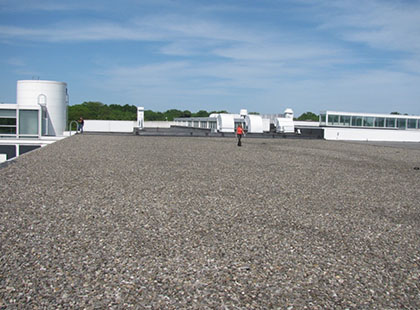
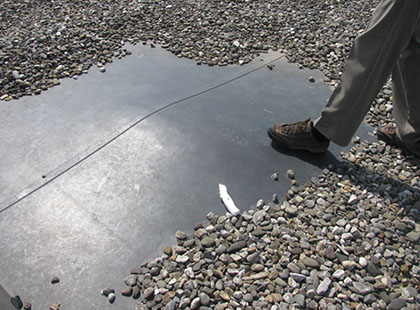
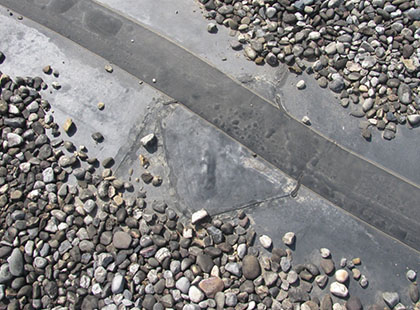
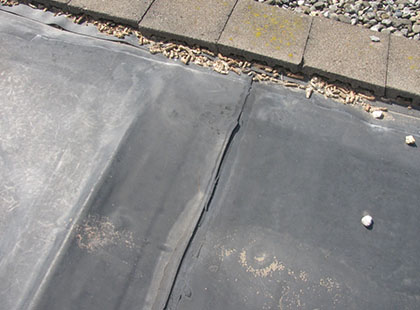
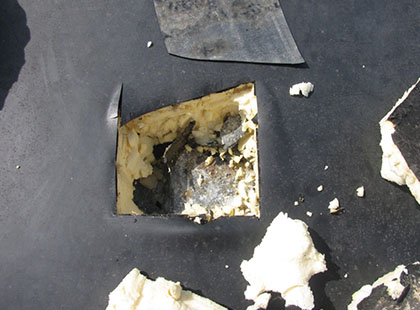
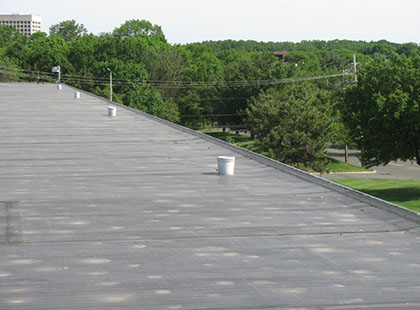
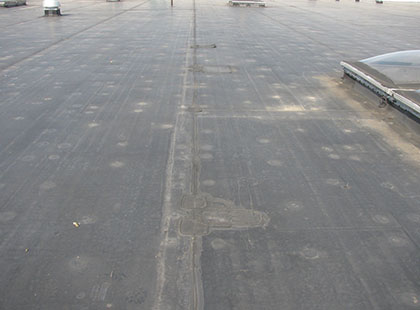
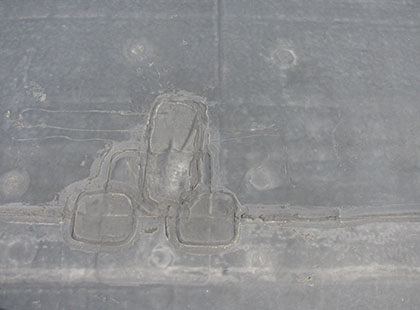
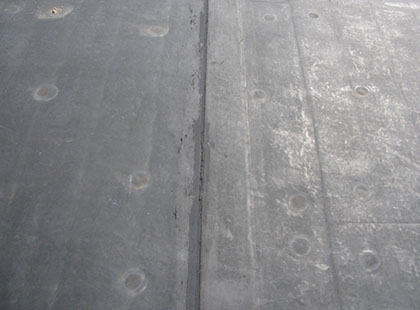
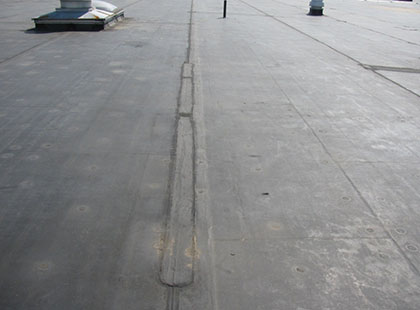
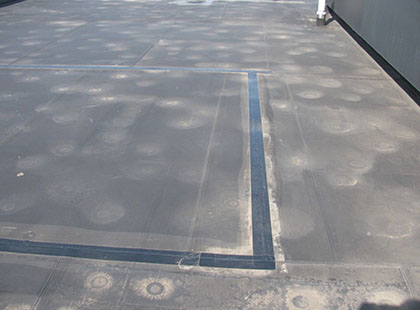
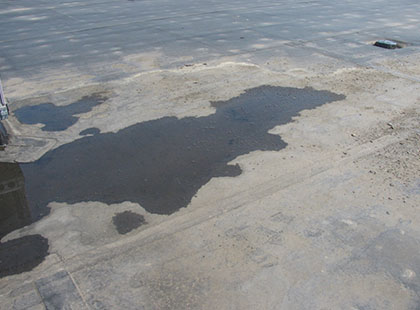
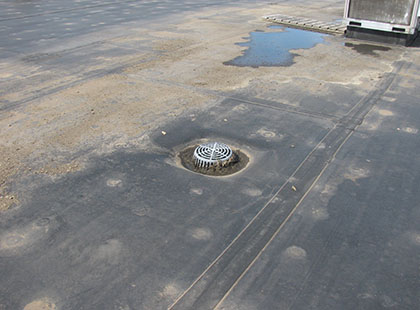
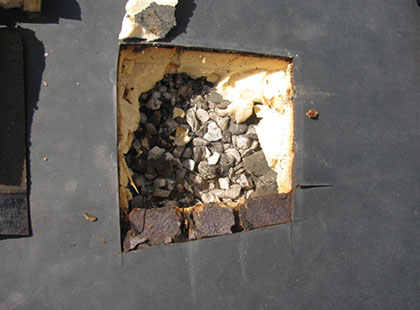
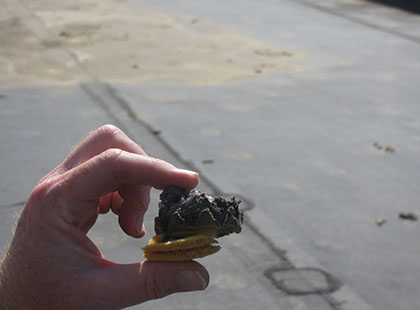
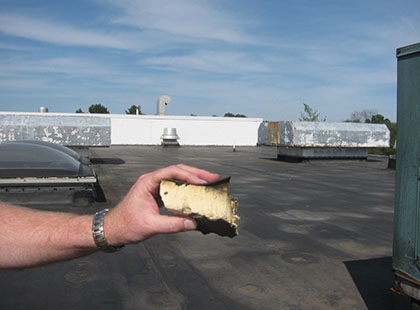
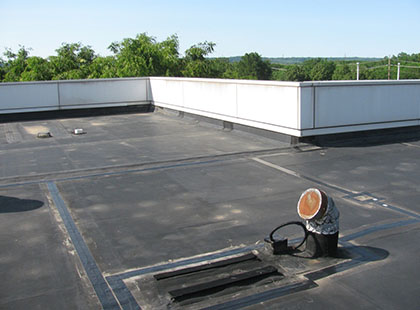
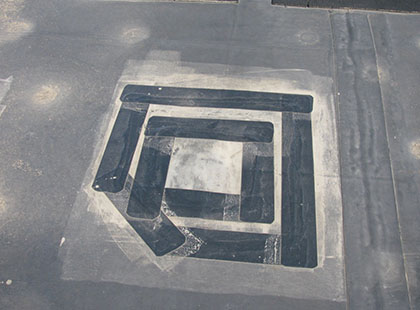
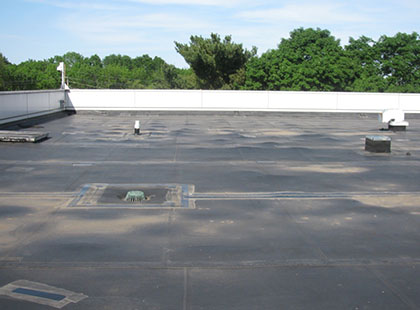
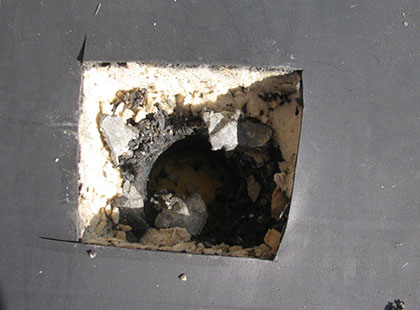
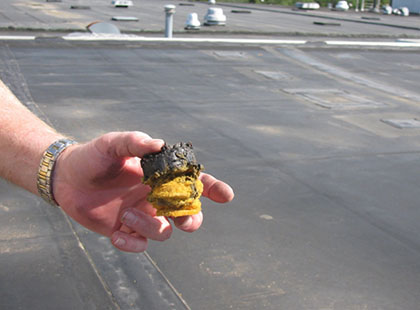
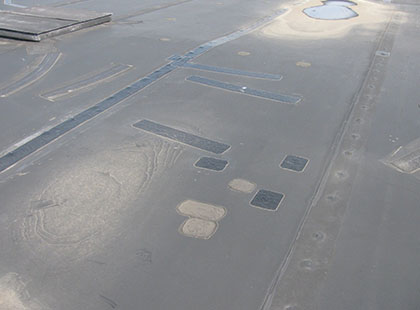
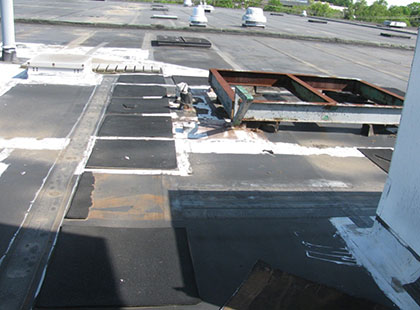
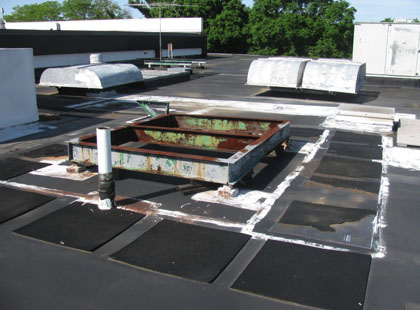
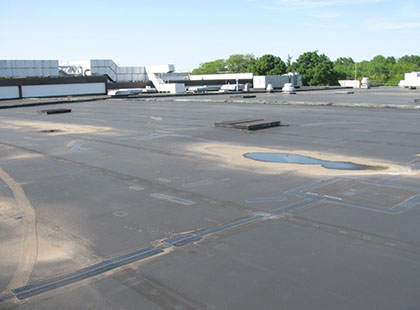
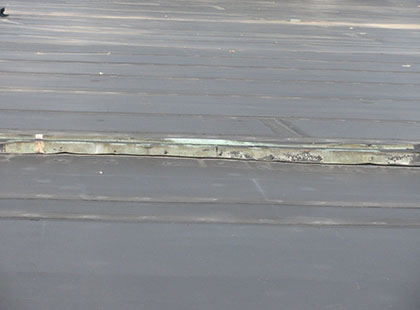
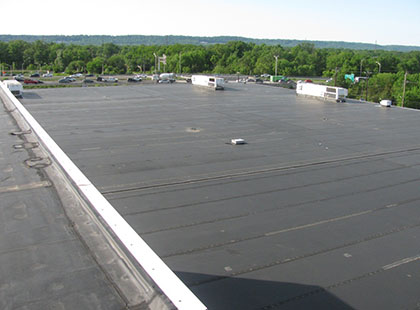
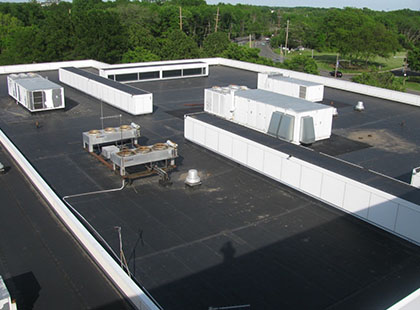
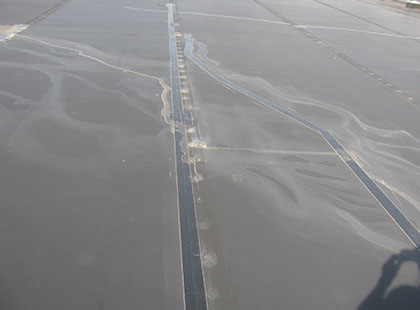
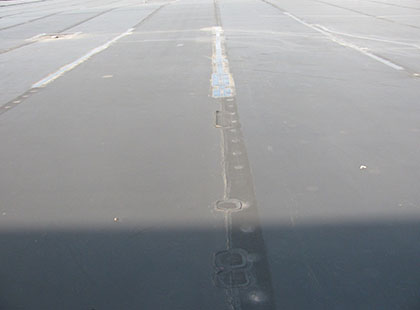
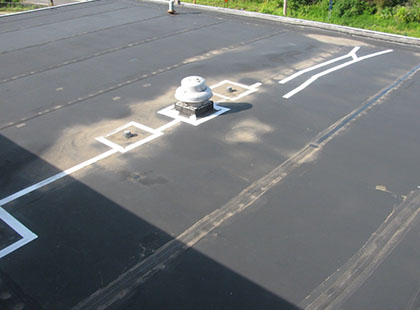
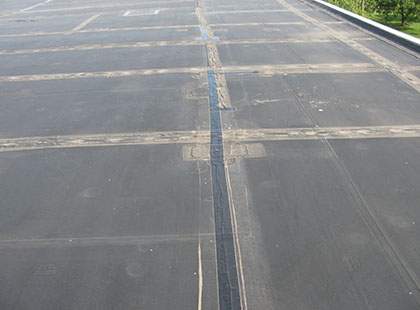
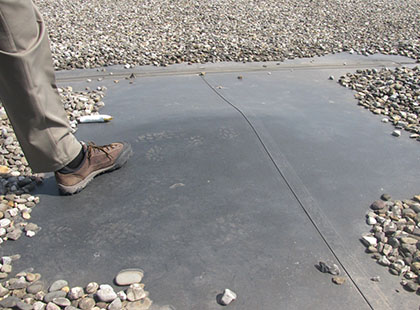
Daylight Survey Photographs

The below daylight survey photographs were presented to the client as part of our comprehensive report.
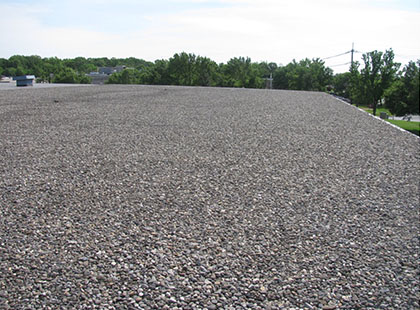
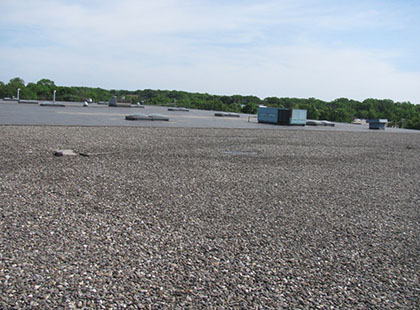
Daylight Survey Photographs

The below daylight survey photographs were presented to the client as part of our comprehensive report.
Infrared Survey Thermograms

This series of infrared thermograms present an interesting example of how infrared examinations can be used to retain existing roofing and insulation while helping a building owner to remain in code and save money at the same time.

Infrared Survey 1

Equipment reflections over dry area

Infrared Survey 2

Gooseneck reflections over dry area

Infrared Survey 3

Wet top insulation freeform pattern

Infrared Survey 4

Wet lower insulation

Infrared Survey 5

Most of roof is dry, represented by dark areas

Infrared Survey 6

Mild damp area

Infrared Survey 7

Small 10×10 wet area

Infrared Survey 8

Wet area with board patterns near vent

Infrared Survey 9

Dry areas near skylight

Infrared Survey 10

Wet area with clear board patterns in valley

Infrared Survey 11

Wet area near goosenecks

Infrared Survey 12

Mild damp spots

Infrared Survey 13

Wet area with clear board patterns

Infrared Survey 14

Panning across area

Infrared Survey 15

Board pattern surrounded by wet insulation

Infrared Survey 16

Dry insulation

Infrared Survey 17

10×10 wet area near cross joint

Infrared Survey 18

Dry lower roofs

Infrared Inspection FAQ:

A visual inspection cannot accurately identify moisture below the roof surface. 

Infrared technology provides an economical way to identify precise areas of wet insulation and moisture present in your commercial roof system without damaging the roof system.

A thermal imaging camera detects the heat given off by an object.

During the day, the sun heats your commercial roof as well as any moisture trapped within. As the sun sets, the roof temperature begins to drop. However, any wet materials under its surface take longer to cool down. This moisture can be easily detected by the infrared camera.

A visual inspection cannot accurately identify moisture below the roof surface. 

Infrared technology provides an economical way to identify precise areas of wet insulation and moisture present in your commercial roof system without damaging the roof system.

Infrared Thermography can detect the presence of hidden moisture within your roofing assembly.

Water infiltration and hidden moisture is not only a danger to your roofing system, but to the critical integrity of your roof deck. Additionally, infiltration causes the breakdown of insulation, resulting in the loss of its insulating properties and higher utility bills. Wet insulation can grow bacteria and mold threatening your building’s air quality and causing danger to its occupants. In addition, moisture can seep into different areas of the building such as cavity walls causing rot, structural damage, and collapse.

Executed almost strictly after dark, the certified thermographers at Roofing Dynamics use infrared cameras to detect heat loss.

When wet, insulation loses its “R” factor, or thermal resistance. It heats up during the day and retains its heat into the night much longer than dry insulation. The infrared camera detects these warm areas, exposing damaged insulation as well as other subsurface anomalies below the roof mat such as deep cracks and interply moisture.

Roofing Dynamics combines infrared technology with sophisticated moisture meter probes and core analysis to provide a comprehensive report.
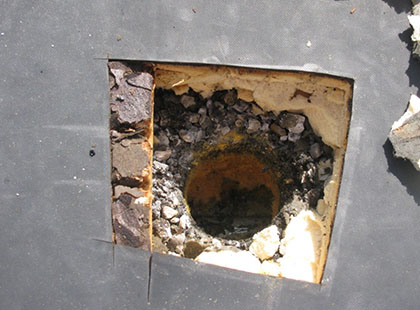
Your report includes a detailed roof plan showing all wet and damaged areas, complete satellite data, infrared thermograms, and daylight survey photographs, along with recommendations and budgets.

The Infrared Inspection Process:

  1. Infrared Inspection of roofing and insulation, cores, and moisture probes as necessary to assess viability of restoring, recovering, or replacing all roof areas examined in our preliminary walkthrough.
  2. All damaged areas to be marked out in colored paint.
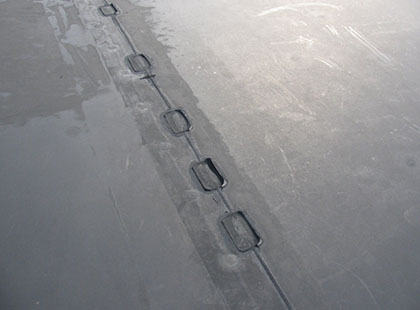
  3. Written report with daylight survey photographs, recommendations, and budgets.
  4. Project technician available to answer all questions after survey.
  5. Complete moisture analysis in accordance with ASTM C-1153 testing procedures, with core samples sent to an accredited lab for asbestos testing.
  6. Detailed roof plan showing all wet and damaged areas with complete satellite data.

The Benefits Include:

  1. Locate leak-causing areas
  2. Identify areas of wet insulation to limit tear-off expenses, protect the deck, and eliminate heating or cooling loss
  3. Save money by eliminating unnecessary repairs or tear-off
  4. Evaluate a new roof’s water tightness
  5. Determine pre-existing problems for a real estate transaction
  6. Provide documentation for future work
  7. Ensure that the manufacturer’s warranty will be issued.
  8. Facilitate a preventive maintenance program maximizing roof life

Yes. Moisture intrusion often begins long before leaks appear inside. Infrared inspections detect hidden problems early, saving money over time.

When water is trapped below a roofing system, it has two ways to go—up or down.

If it’s hot and the water is evaporating, it will rise and interfere with the new roofing system. Depending on the type of roof, blisters can form, affect water flow and cause ponding, or the underlying water will try to evaporate thus separating seams and creating opportunity for new water to enter the roofing system.

Most likely, water will travel down into the deeper layers of your roof affecting the underlying boards and decking. With these areas saturated, it will eventually rot out the deck, which is a very expensive repair.

In addition, this water can surpass the deck and find an opening into your building.

Schedule Your Infrared Survey Today!

Contact Roofing Dynamics to minimize costs and direct roof repair dollars only to areas that need it with an Infrared Survey!