Choosing the right commercial roofing system is critical for protecting your building, ensuring long-term durability, minimizing maintenance costs, and maximizing energy efficiency.
But with so many roofing materials and systems available, how do you choose the right one?
If you’re in the market for a flat commercial roof system, you may have heard of TPO. The biggest positive to installing TPO on your flat roof is its cost, as it’s one of the cheapest options available today. However, though many roofing contractors recommend TPO, you should be aware of its disadvantages.
Why Do Some Roofing Contractors Suggest TPO?
A commercial roofing contractor may recommend TPO roofing because it’s affordable, easy to install, and widely used. TPO is typically 25-35% less expensive than PVC, and also cheaper than EPDM and other rubber roofs, making it a cost-effective choice for building owners. The material offers flexible installation—via adhesives, fasteners, or hot-air welding.
However, despite its benefits, TPO roofing comes with specific challenges that can impact its performance over time.
What is TPO Roofing Material?
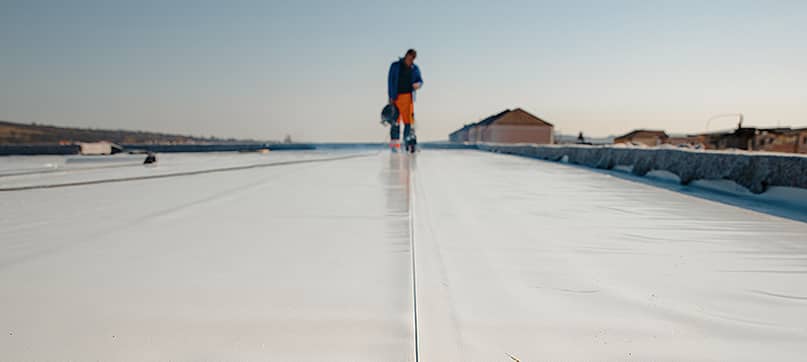
TPO (Thermoplastic Polyolefin) is a lightweight and flexible single-ply roofing membrane often used for commercial flat or low-slope roofs.
Made from polypropylene and ethylene-propylene rubber, it is typically reinforced with polyester and features a heat-reflective white surface.
The seams are hot-air welded to ensure a watertight barrier, creating a seamless and waterproof roof with large sheets for efficient installation.
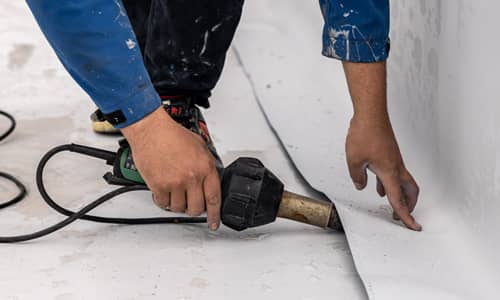
Understanding TPO Roofing for Commercial Buildings
As with any new building material, the market is still learning about TPO roofing systems. One major drawback of TPO is its relative youth; ongoing formula experimentation has led to inconsistent durability and some premature failures or recalls. Although tests on white TPO show substantial temperature differences, real-world dirt accumulation quickly reduces reflectivity and performance.
Premature aging and seam failures in TPO roofs, especially in areas with intense heat and high UV radiation have raised concerns. Higher altitudes increase UV exposure, accelerating membrane deterioration—a factor often overlooked in product testing.
Roofing associations issued advisories in 2010 and 2011, but no further updates have been provided since. ASTM International has not revised TPO standards since 2011, and most manufacturers have not addressed performance issues. The lack of communication leaves consumers questioning whether these problems are being addressed or ignored for profit.
Common Issues With TPO Roofs
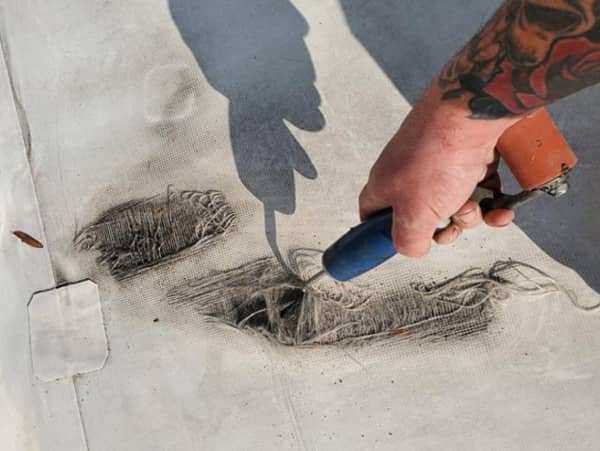
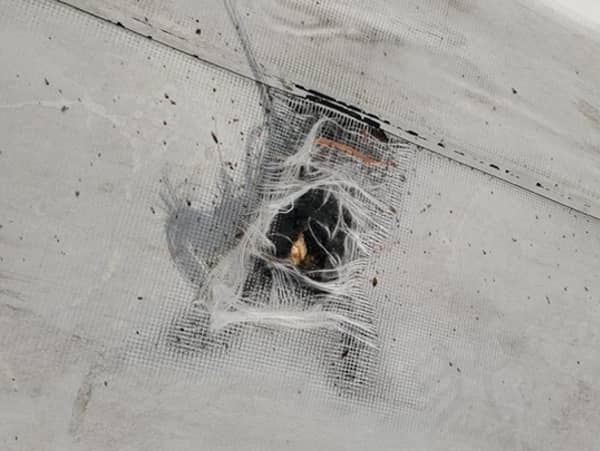
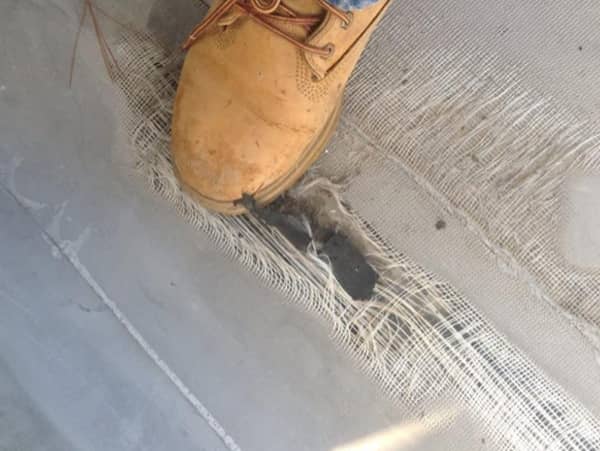
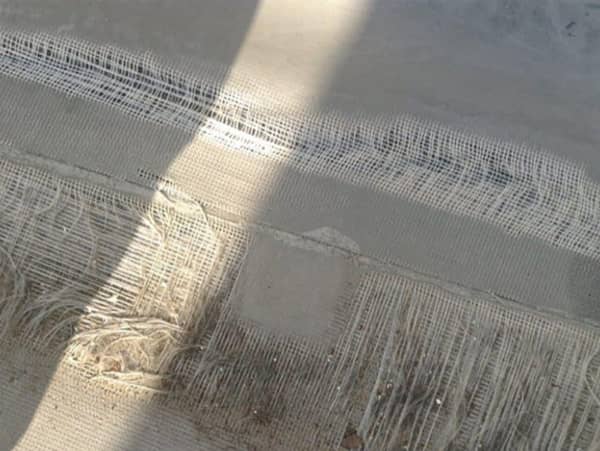
Reflected UV from a parapet wall caused solar loading and the damage we see here on this vulnerable TPO sheet.
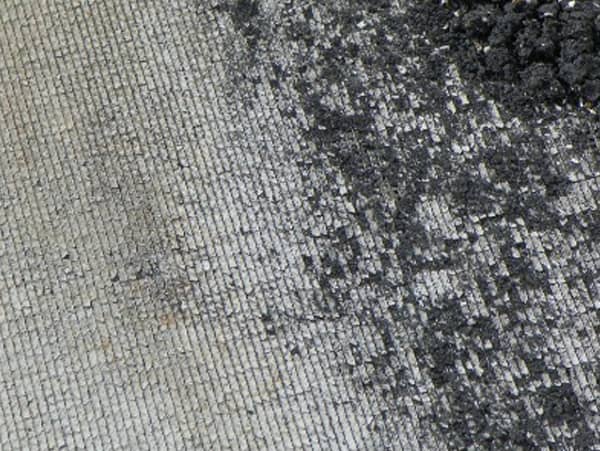
Cheaper TPO a little over 10 years old and under ponded water results in polymer loss.
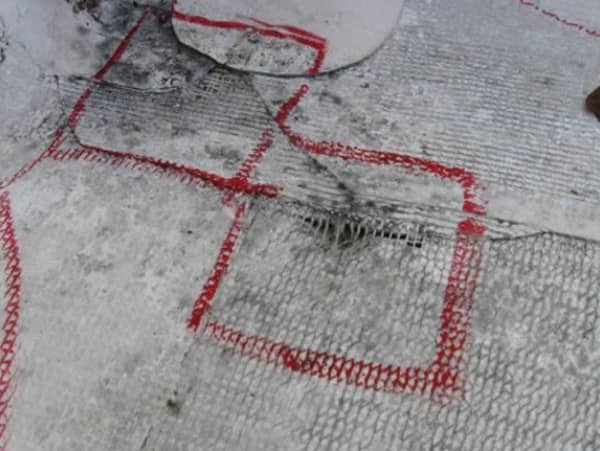
Another TPO membrane with polymer loss and scrim exposed.
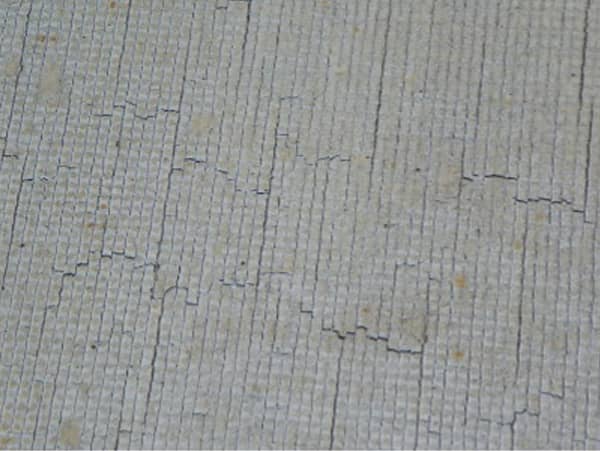
TPO’s are permeable even without the cracking we see here. This allows both overt and permeation leaking due to hydroscopic pressure from ponded water.
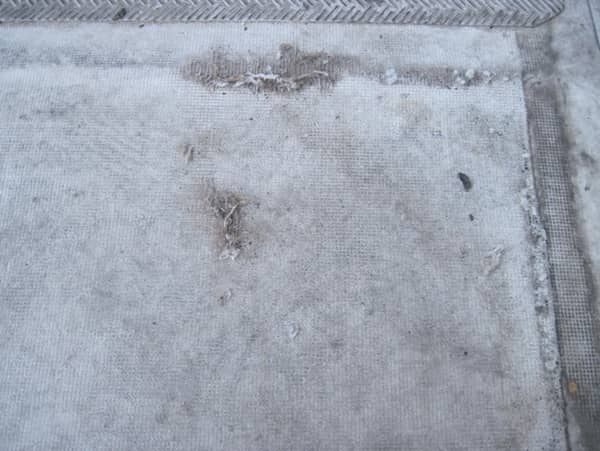
Polymer degradation due to solar loading.
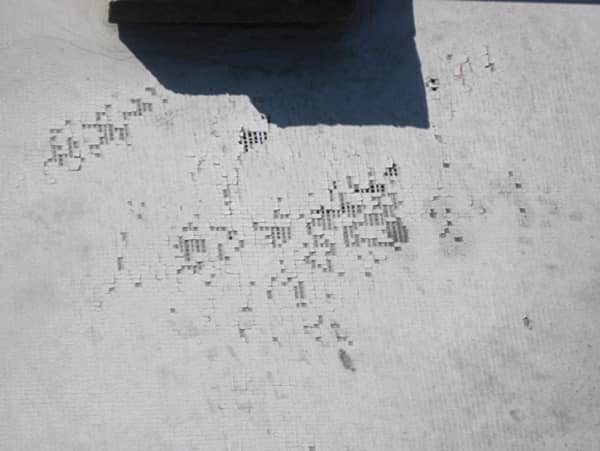
Example of solar loading with reflected UV rays breaking down the polymer and allowing the sheet to break apart.
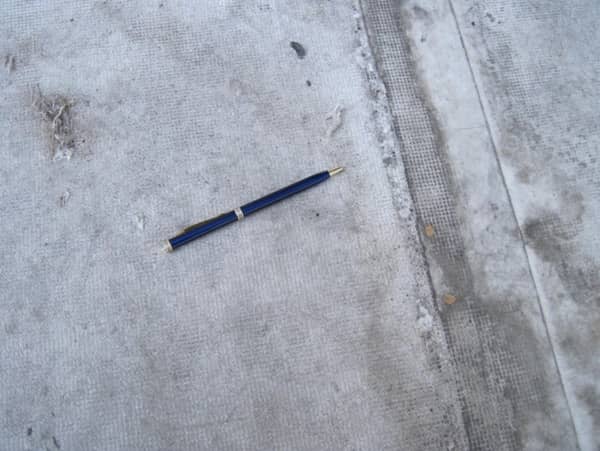
Premature aging of the membrane, which caused the exposure of the reinforcing scrim, thereby allowing water into the roof system.
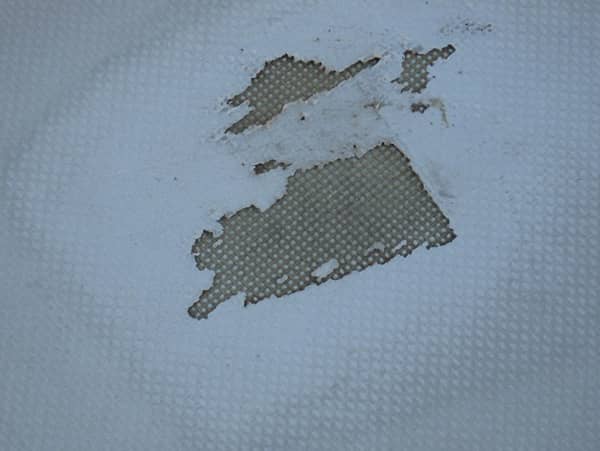
TPO damage again from the elements.
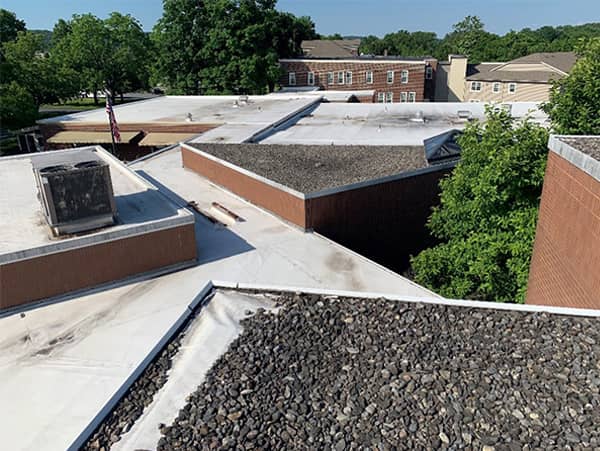
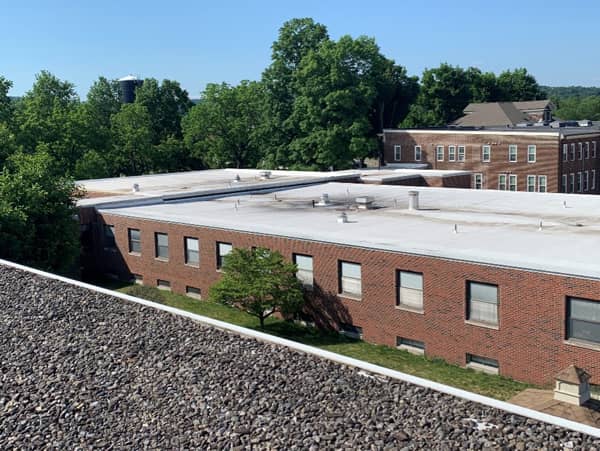
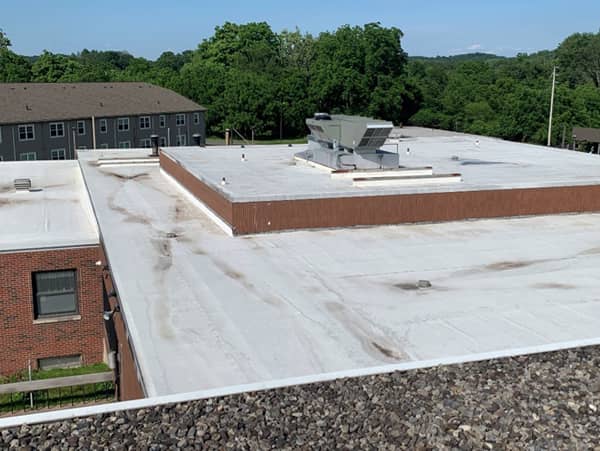
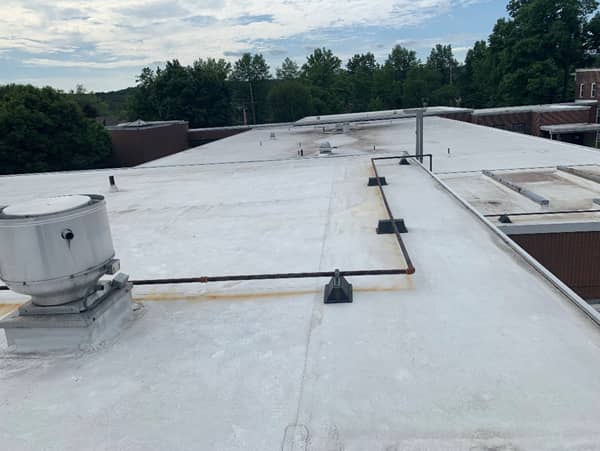
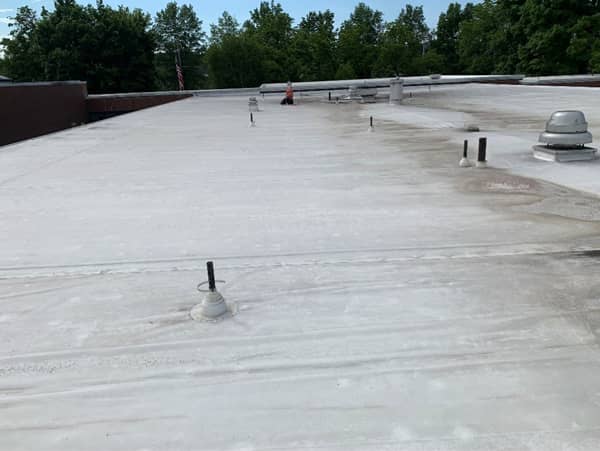
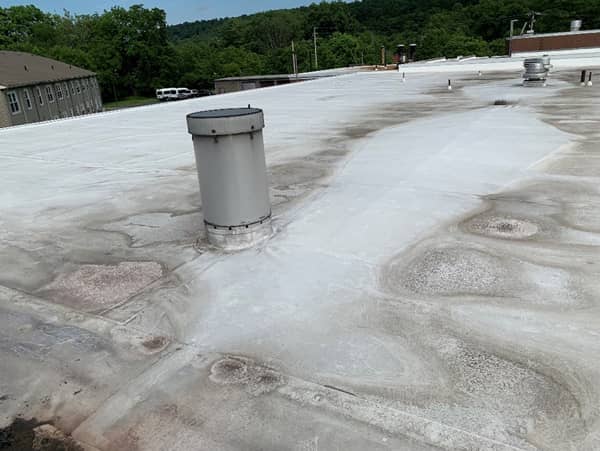
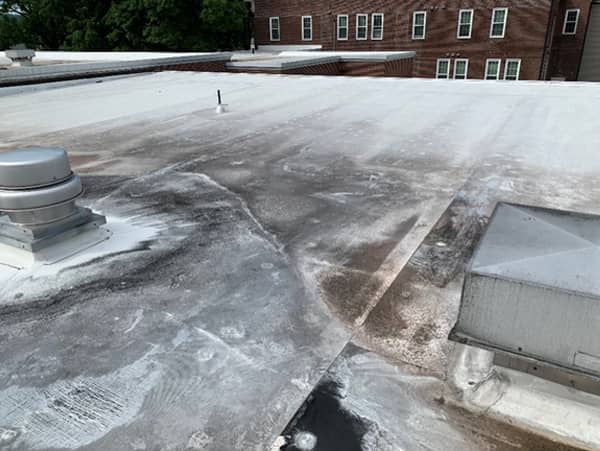
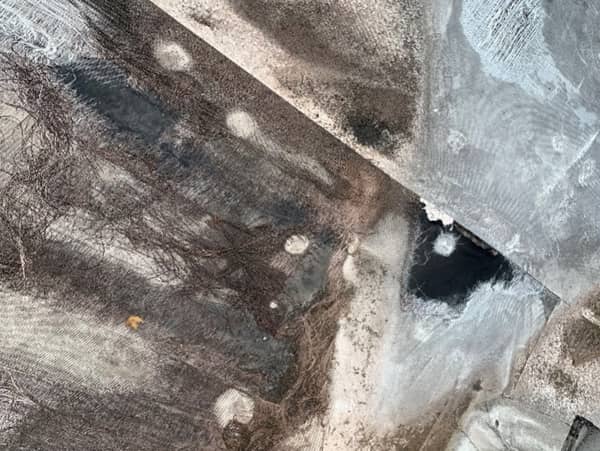
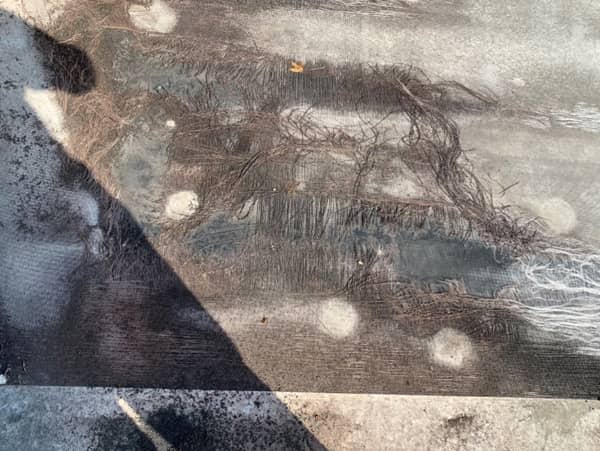
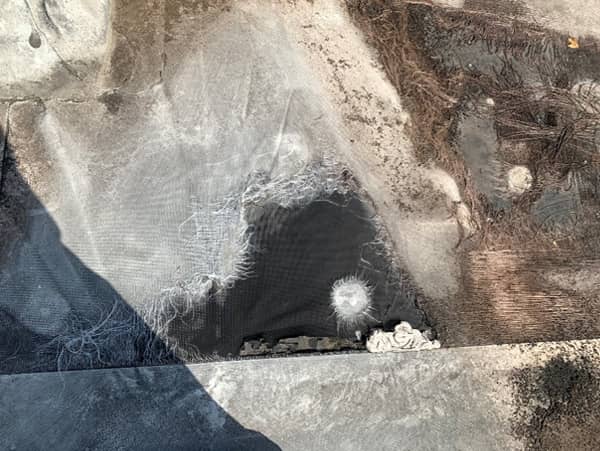
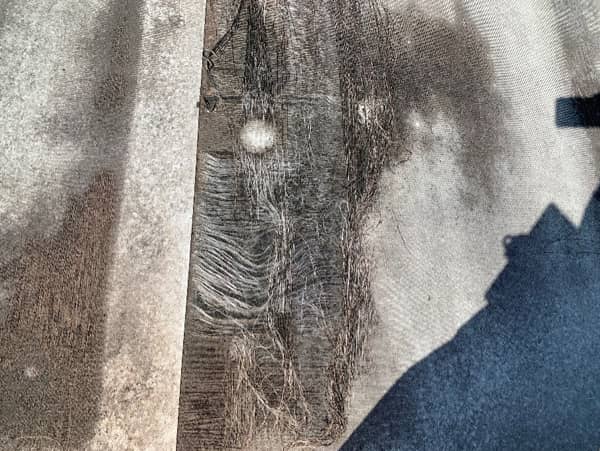
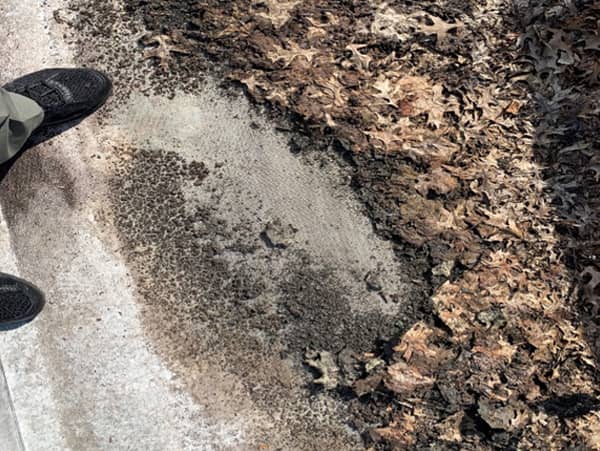
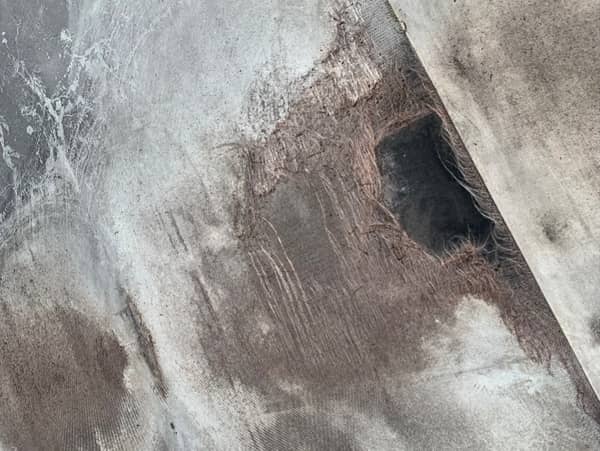
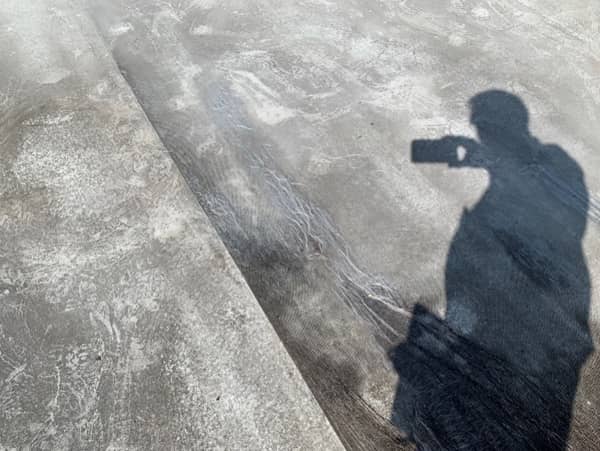
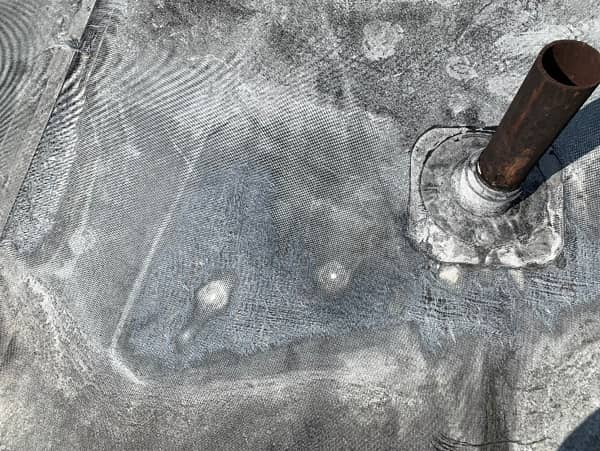
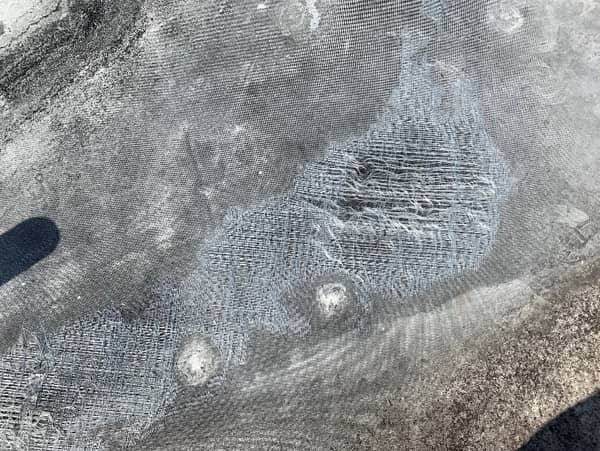
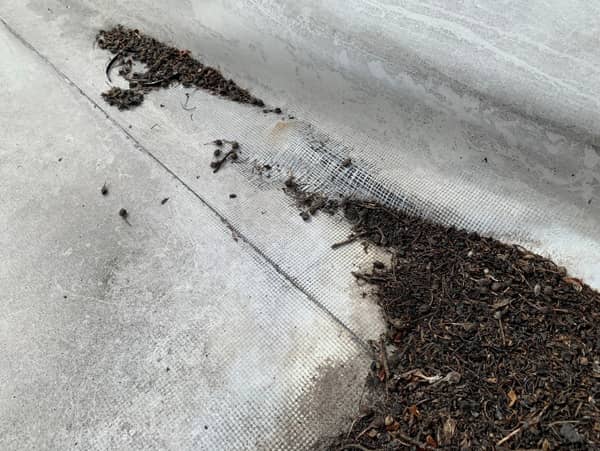
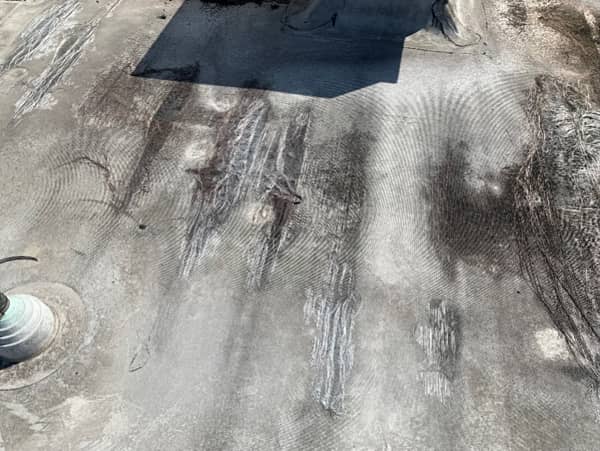
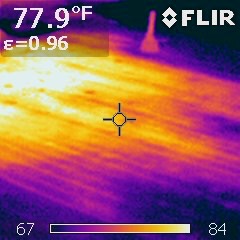
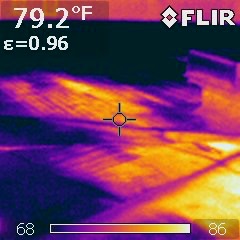
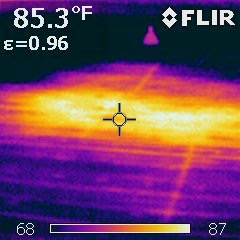
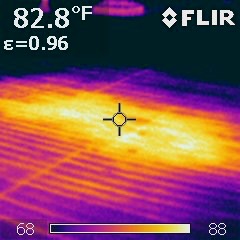
The above daylight photos and below infrared thermograms were presented to our client after an inspection of several different TPO roofs of their facility. We found that ponding and UV refraction/solar loading was causing severe degradation of their TPO membrane. Ponded areas are noted by the stains that are left behind on the TPO. When let go long enough, ponding will saturate insulation, break it down, and eventually lead to roof deck rust, rot, or spalling.
TPO Membrane Commercial Roof Repair and Replacement
Roofing Dynamics provides customized roofing system recommendations based on your particular flat commercial roof and the climate its located in. We ensure property managers, building owners, and facility teams accurate assessment of existing commercial roofing to determine the best option for your particular building.
Utilizing the latest technologies, we implement best-practice roofing methodology throughout the entire roofing process and coordinate of all jobs with an emphasis on personal attention, quality control, and cost-effectiveness.
By following manufacturer specifications for every project, we help you protect your investment with work that stands the test of time—backed by strong warranties and full compliance with local codes.